Alpe du Zwift Route Facts: Distance, Gradient & the 21 Hairpins
Alpe du Zwift is 12.2 km long with 1,036 m of climbing at 8.5% average gradient (14% max) across 21 numbered hairpins — a faithful digital twin of the real Alpe d'Huez in the French Alps.
Here are the numbers — the real ones, the ones you can quote in a club WhatsApp without getting corrected. Alpe du Zwift is 12.2 km long, climbs 1,036 metres, averages 8.5% and stings up to 14%, all stacked into 21 numbered hairpins. Every figure below is the same figure our calculator runs on, so nothing here is rounded for a prettier story.
The route at a glance
Alpe du Zwift is the toughest climb in Watopia and, by a comfortable margin, the most ridden mountain in the game. It is a digital reconstruction of a very real, very famous road — more on that below — and Zwift built it to the same profile, hairpin for hairpin. The headline stats are simple enough to memorise:
- Distance: 12.2 km from the timing arch at the foot to the summit banner.
- Elevation gain: 1,036 m of pure vertical, nearly all of it climbing.
- Average gradient: 8.5% — relentless rather than vicious, which is somehow worse.
- Maximum gradient: 14%, saved for the lower ramps where you still feel brave.
- Hairpins: 21, counted down from 21 at the bottom to 1 at the top.
The gradient profile
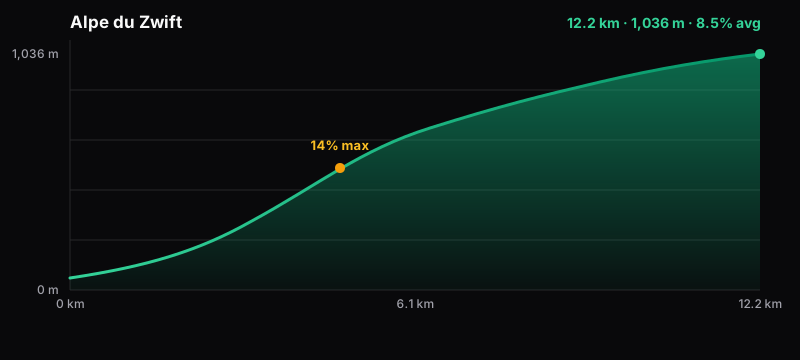
12.2 kilometres at 8.5% sounds civilised written down. It is not. The climb front-loads its steepest pitches — that 14% maximum lives in the first few hairpins — then settles into a long, grinding 8.5% average that never quite lets you recover. The profile below is drawn from our own data, not lifted from anyone's screenshot, so you are looking at the genuine shape of the suffering.
The 21 hairpins
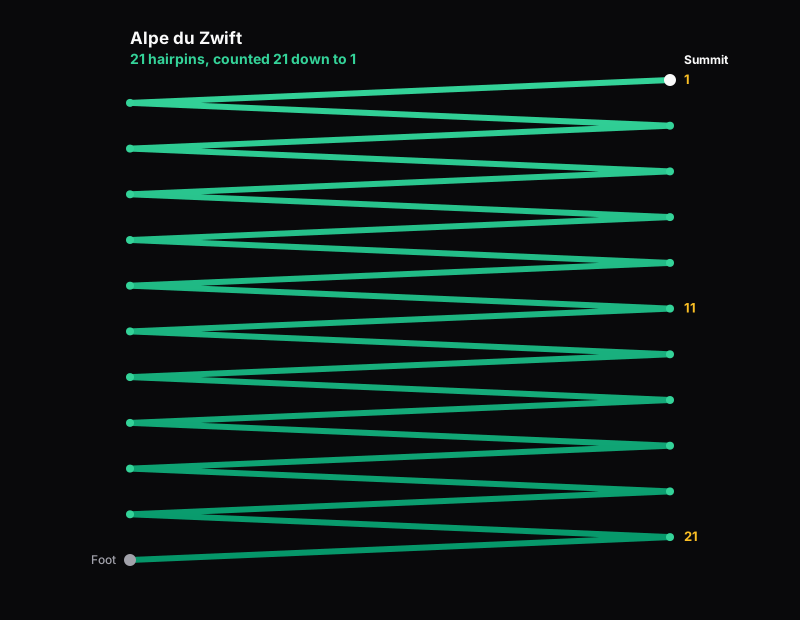
The defining feature of the Alpe is its 21 hairpin bends, numbered in descending order so the very first one you hit is number 21 and the last, just below the summit, is number 1. Counting down is meant to feel encouraging. It does not, particularly, when you are at hairpin 14 and your legs have already filed a complaint. Each corner carries a sign on the route, and seasoned grinders pace themselves bend by bend rather than staring at the distance-to-go, which only ever seems to grow.
The real climb it is based on
Alpe du Zwift is a faithful digital twin of Alpe d'Huez, the legendary climb in the French Alps and one of the most iconic finishes in the Tour de France. Zwift could not licence the real-world name, so it borrowed the real-world road instead: the 21 hairpins, the 12.2-km length and the 8.5% average all mirror the genuine article. Ride the virtual version enough and you are, in a slightly absurd way, training for the real one — same shape, same 21 corners, far fewer cowbells and considerably less risk of a camper van.
That pedigree is exactly why the climb earns its place as the showpiece of Watopia, and why "I rode the Alpe" carries the weight it does. It is not an invented mountain dialled up for difficulty — it is a real one, rebuilt to scale.
Quick-reference facts table
For anyone who would rather skim than read, or who wants something tidy to cite:
| Fact | Figure |
|---|---|
| Distance | 12.2 km |
| Total elevation gain | 1,036 m |
| Average gradient | 8.5% |
| Maximum gradient | 14% |
| Hairpins | 21 (numbered 21 → 1) |
| Based on | Alpe d'Huez, French Alps |
Now go and earn the descent
Those are the facts. The only one that matters once you are clipped in is the 8.5% average, and the only way to make peace with it is to know your pace before you start. Feed your weight and power into the Alpe du Zwift time calculator and it will tell you, with admirable honesty, roughly how long 12.2 km of this is going to take you. Then all 21 hairpins are yours to enjoy.